Introduction
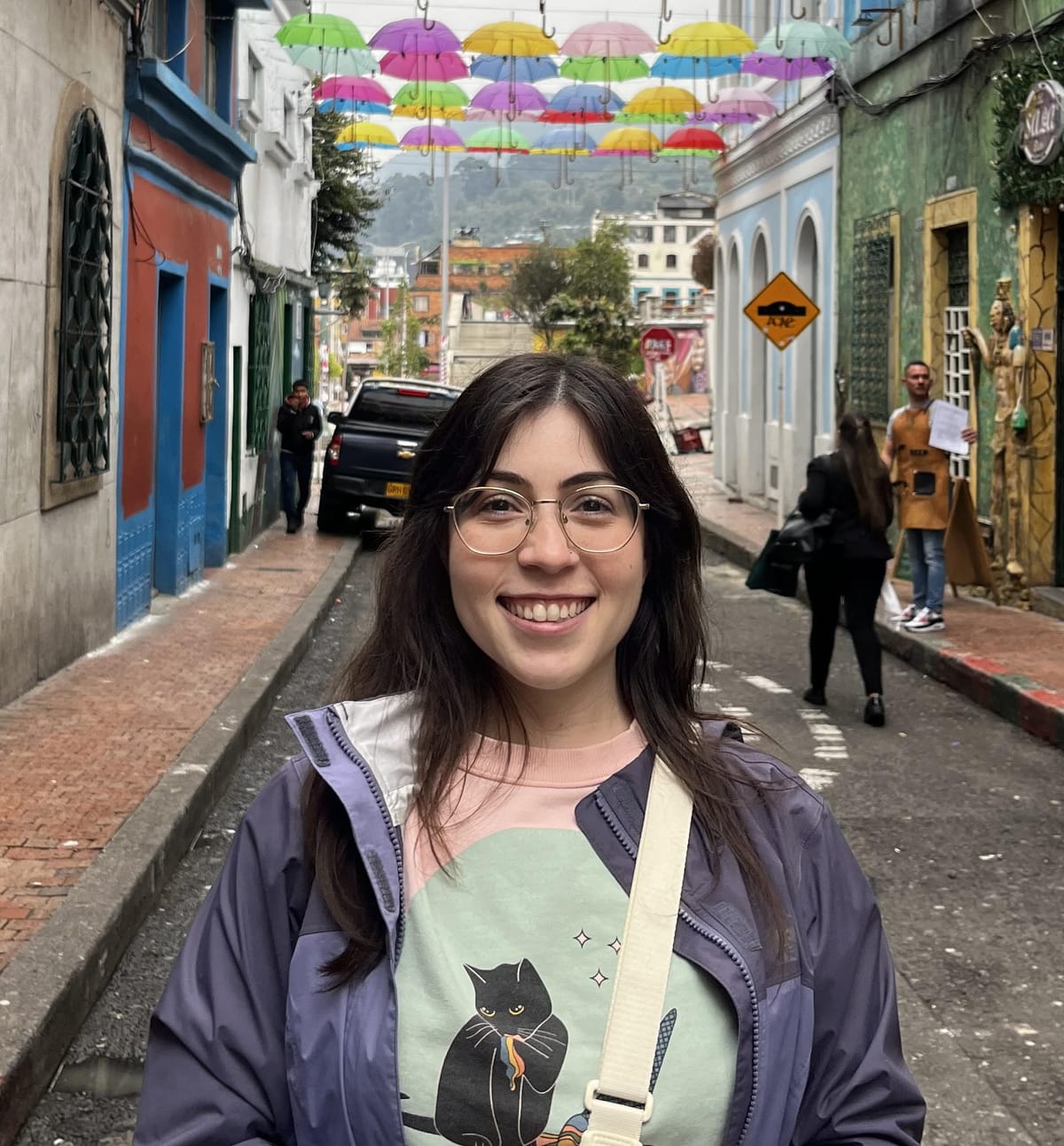
Hi there, my name is Dani Kay. In this introductory blog post, I’m going to describe my life in terms of food.
When I was about four years old, my maternal grandfather taught me how to eat pistachios and cherries. At such a young age, this was critical info. Be careful when biting the flesh off the cherry pit – get as much as you can off, and then you gotta spit the pit out without also spitting out any of the good stuff. If you’re dealing with a pistachio shell that’s a little too closed to pull apart, use one of the discarded shells to pry it open.
Raised in Novi, Michigan (yes, it’s sort of near Detroit), I grew up eating groceries purchased from Meijer, Kroger, and Costco. Places like Whole Foods and Trader Joes seemed a bit foreign to me, and I don’t think I purchased anything from a farmers’ market until at least college. I’m an Ashkenazi Jew, so I grew up eating brisket, matzo ball soup, rugelach – a whole shebang of cozy carbs and meats. For breakfast on the weekends, my mom would often make French toast (obviously made with challah bread) or one of her father’s favorite meals – scrambled eggs and salami. Tuna pasta salad (specifically made with shell pasta and a boatload of Hellman’s Mayo) was a common lunch in our home, and White People Taco Night (as coined by Keith from the Try Guys) was a common dinner.
And just in case it doesn’t sound like it, I did eat fruits and vegetables on a regular basis, too. All year-round there were strawberries, freshly washed and cut, on the countertop by the sink, and the summertime promised bowls of Michigan cherries. At some point, I developed the habit of eating large tomatoes in the same way that other people eat apples. I also adopted an even weirder habit from my mother: slicing a cucumber in half crosswise and eating the seeds with a spoon, taking bites out of the sides along the way. And since this is my blog, I do have to mention tat I have always loved pickles.
And now that I’m thinking about it, all of my part-time jobs growing up (besides babysitting) were waitressing jobs. My first and longest stint was at a restaurant in a retirement community. The second was at the Pizza House in Ann Arbor (that cheesy bread – if you know, you know), and the last was at a Mexican restaurant with the best name ever: El Nibble Nook.
This is all to say that, as is the case for everyone, I have my own unique relationship with food. I’m lucky that mine is a good one. I’ve never wondered when my next meal would be coming. I’ve never felt afraid of how food might make my body look. I never had allergies growing up (and to this day, I still don’t). I was never made to feel strange or embarrassed about the food my family ate. I do my best to not to take these truths for granted.
Still, I acknowledge my relationship with food was lacking. Growing up in the suburbs, I had no idea where our groceries were coming from. I didn’t know who was growing them, or raising them, or processing them. I had no idea about the carbon emissions linked with everything I ate, and I wasn’t concerned about the chemicals or methods being employed in the food production process. The thing that I did care about was the environment, generally speaking. I hated cars (honestly hilarious, growing up near Detroit) and loved animals and I never littered. I new that helping the planet was important, and I wanted to do that with my career. Naturally, I ended up taking some environmental courses in college. It was during the US Environmental Policy course I took during my freshman year that I was introduced to the role that agriculture plays in environmental health. Specifically, we watched a documentary about soil called Dirt! The Movie. And oh boy, let me tell you – that film absolutely blew my mind.
I found my passion. To the extent that Grand Valley State University’s curriculum allowed, I fit in every agriculture- and food-system-related class that I could. I studied soil science, food history and culture, and took a sustainable agriculture practicum. My senior project was about global and domestic food security. I accepted internship positions that allowed me to dip my feet in the agriculture policy waters, and for one summer after graduating I lived in Alexandria, Virginia, and worked as a Farm Camp Counselor at Arcadia Center for Sustainable Food & Agriculture. To date, it’s the best job I’ve ever held.
But with Trump as our president, I decided to focus my career on domestic politics. It didn’t fulfill me, but I felt like I needed to involve myself in the political world. I felt that it was the best way to fight for my country. This path took me to Washington, DC, where I interned on the Hill and worked in the world of gubernatorial campaigns. For a brief time, I tried the whole networking thing to get a job working in the Ag world. There was a moment when I thought I might be able to land a position working for the Senate Agriculture Committee, but it didn’t pan out. I suppose, to an extent, that I feel like I lost my mid-twenties to that attempted political career path. Now, five or so years later, I’ve wound my way back into the environmental world. I’m recommitting to my agricultural passions.
I’m in the midst of figuring out my graduate school plans, and my goal is to study agroecology and regenerative agriculture. I want a career which allows me to advocate for regenerative practices, and contribute to their implementation.
But I’m realizing I have a problem: I kind of know nothing about the Ag World.
Sure, I’ve taken preliminary classes. I know some key terminology and have a basic understanding of agriculture, as a whole. But I need to know more.
So this blog is my attempt to learn. I want to be open about what I don’t know, which is most things pertaining to agriculture. I’m receptive to ideas and facts that challenge my understandings. I'm going to allow myself to do deep dives into the topics that fascinate me (community gardens, vertical farms, agroecological systems, soil fertility, the list goes on) and I will force myself to learn about things that don’t (livestock, supply chains, the chemistry of plant science, and plenty of other topics). My intentions with this blog are to motivate myself to do research, document my findings, organize my reflections, and make sense of what I learn. With any luck, I’ll figure out a career path, as well.
If you’re here to learn with me, I am thrilled to have you.
If you’re here to be judgmental, I guess that’s fair – but might I recommend finding something better to do with your time?
If you’re here to educate me, I am all ears.